CORO
White-light coronagraph
Field of view 1.5 to 15 solar radii, cadence 5 minutes, externally occulted with a three-disc system machined to 8 micrometres.
Flight segment
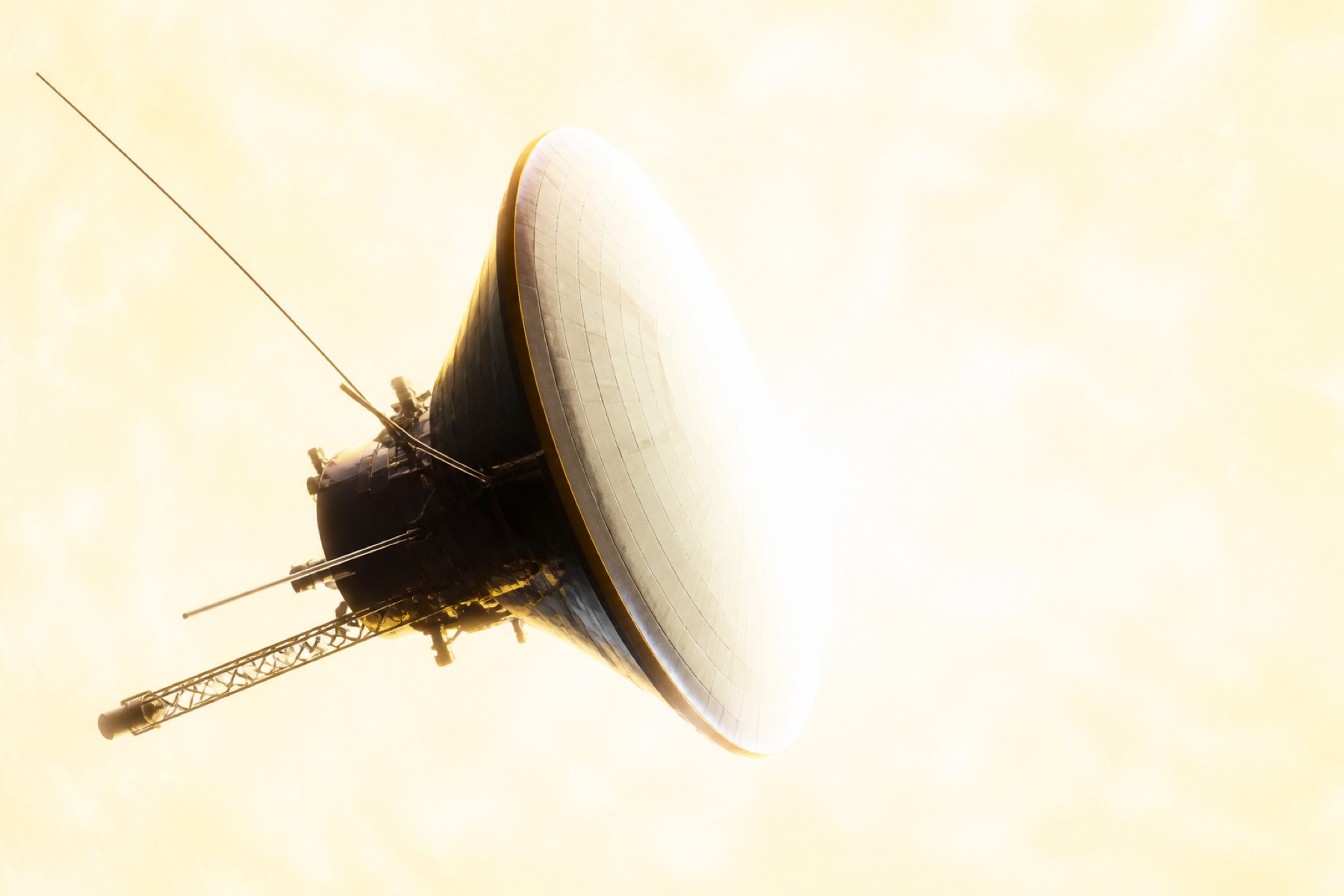
One platform, one shield, six instruments. Everything that is not needed to look at the Sun was removed during phase B.
Platform
Built around a carbon-fibre central cylinder, qualified for eleven years in the interplanetary radiation environment.
Payload
Three remote-sensing instruments that look at the Sun, three in-situ instruments that measure what reaches the spacecraft.
Field of view 1.5 to 15 solar radii, cadence 5 minutes, externally occulted with a three-disc system machined to 8 micrometres.
Full-disc photospheric magnetic field at 1 arcsecond, delivering far-side maps every twelve minutes.
Six emission lines from 17 to 63 nanometres, tracking plasma temperature and Doppler velocity in the low corona.
Ion and electron distributions from 5 eV to 30 keV, sampled every 4 seconds during storm mode.
Two sensors on a 4.2 metre boom, 0.01 nanotesla resolution, the reference for every arrival-time model.
Protons and heavy ions to 200 MeV per nucleon, the first alarm for radiation risk on polar flight routes.
Assembly
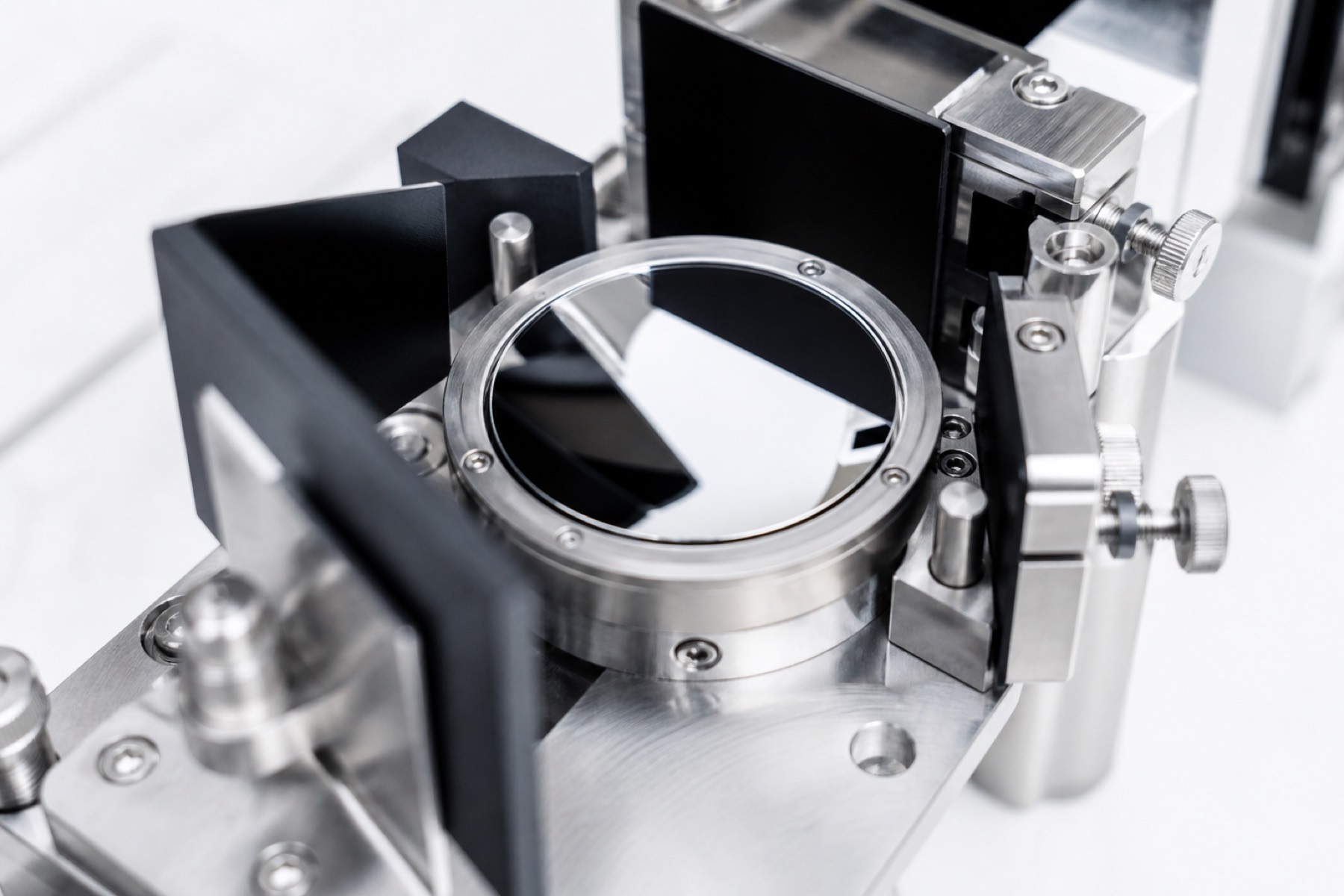
The occulting discs were turned on a diamond lathe in Neuchâtel and measured under interferometry in a hall held to 20.0 °C. A deviation of ten micrometres would have scattered enough sunlight to bury the corona.
Choose which categories you allow. Your choice is stored locally for twelve months and can be changed at any time from the footer.
Session integrity, security and your cookie choice itself. These cannot be switched off.
Anonymous, aggregated statistics on which pages are read. No profiling, no advertising, no transfer outside Switzerland.
Allows video and interactive orbit viewers hosted by third parties to load on gallery and forecast pages.