Objective A
Five-day warning
Provide Europe with a validated forecast of geomagnetic conditions five days ahead, with an arrival-time error below four hours for fast coronal mass ejections.
Mission ISH-04
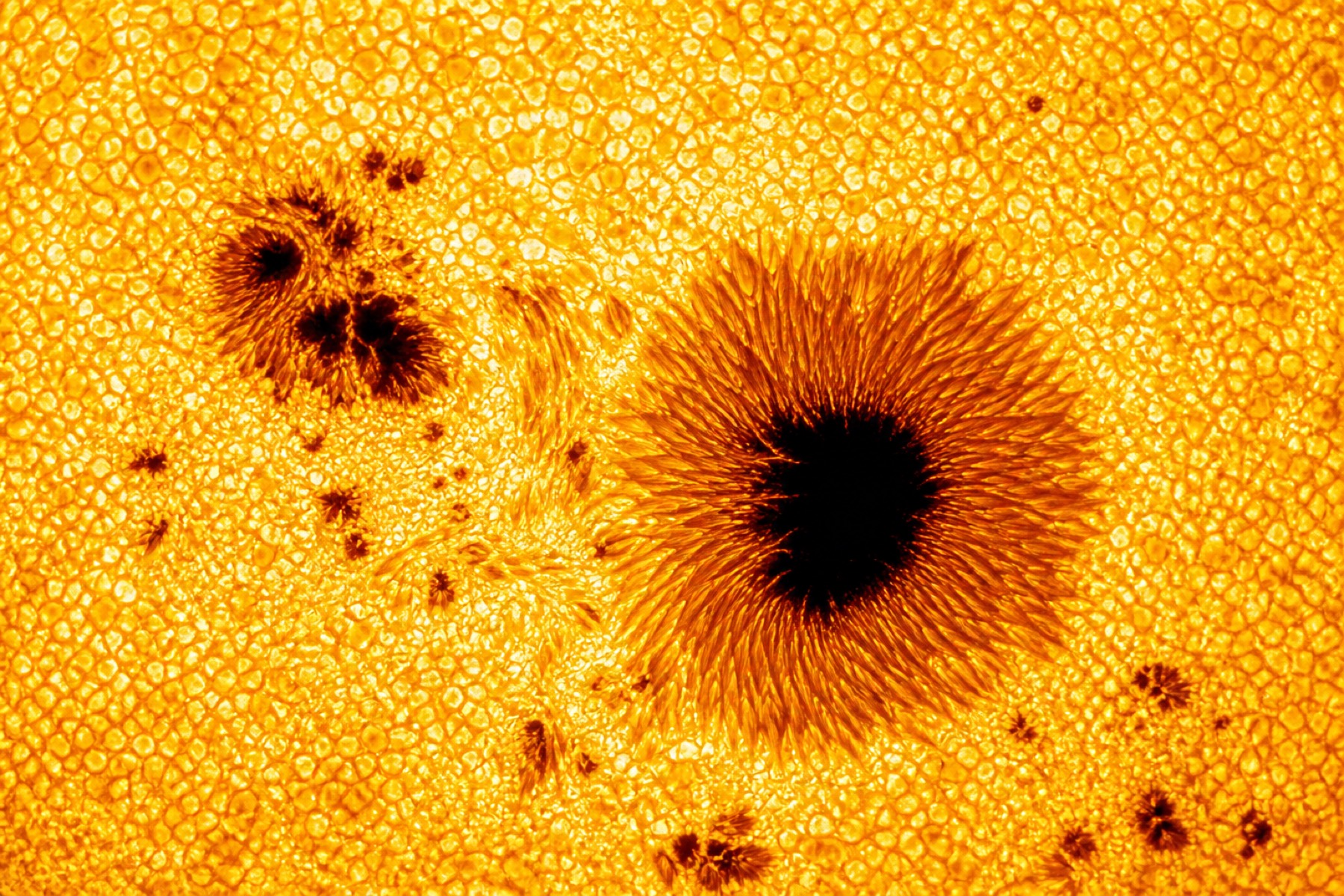
Eighteen months of cruise to reach a point that trails Earth by 60 degrees, then seven years of continuous watch over the solar hemisphere that is about to rotate towards us.
Sequence
Six phases, each with its own review board and its own way of going wrong.
Objectives
Four commitments written into the funding decision, each measurable and each reviewed annually.
Provide Europe with a validated forecast of geomagnetic conditions five days ahead, with an arrival-time error below four hours for fast coronal mass ejections.
Combine the L5 view with near-Earth assets to reconstruct eruptions in three dimensions, continuously and without gaps.
Map the photospheric magnetic field of solar longitudes not yet visible from Earth, and publish the maps within one hour of downlink.
Release all calibrated science products under an open licence, with no proprietary period for any instrument team.
Heritage
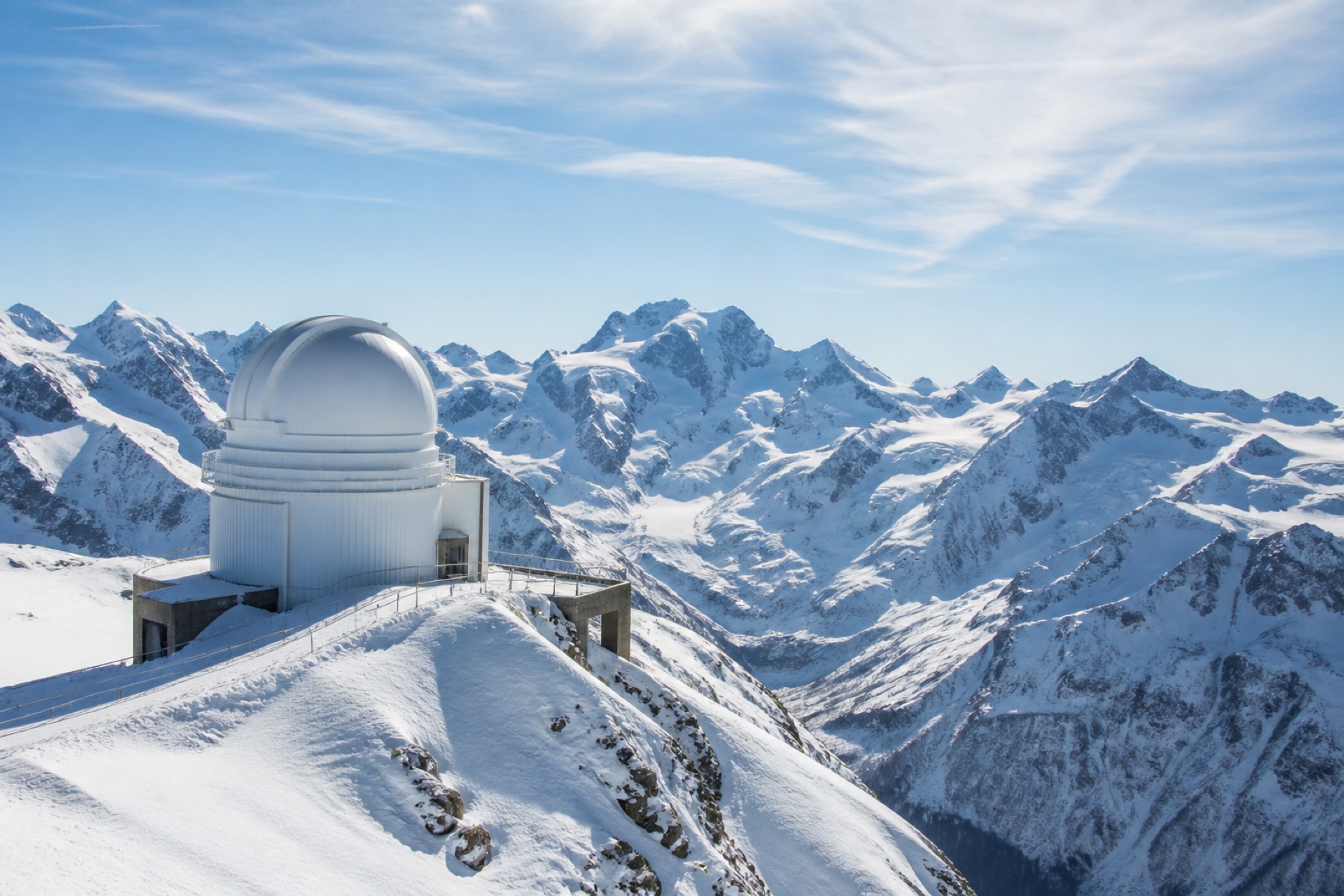
The institute has kept a solar radiometry record above Davos since 1938. SENTINELLE L5 carries the same reference standard into deep space, so the new measurements can be tied to the old ones without a break.
Choose which categories you allow. Your choice is stored locally for twelve months and can be changed at any time from the footer.
Session integrity, security and your cookie choice itself. These cannot be switched off.
Anonymous, aggregated statistics on which pages are read. No profiling, no advertising, no transfer outside Switzerland.
Allows video and interactive orbit viewers hosted by third parties to load on gallery and forecast pages.