01
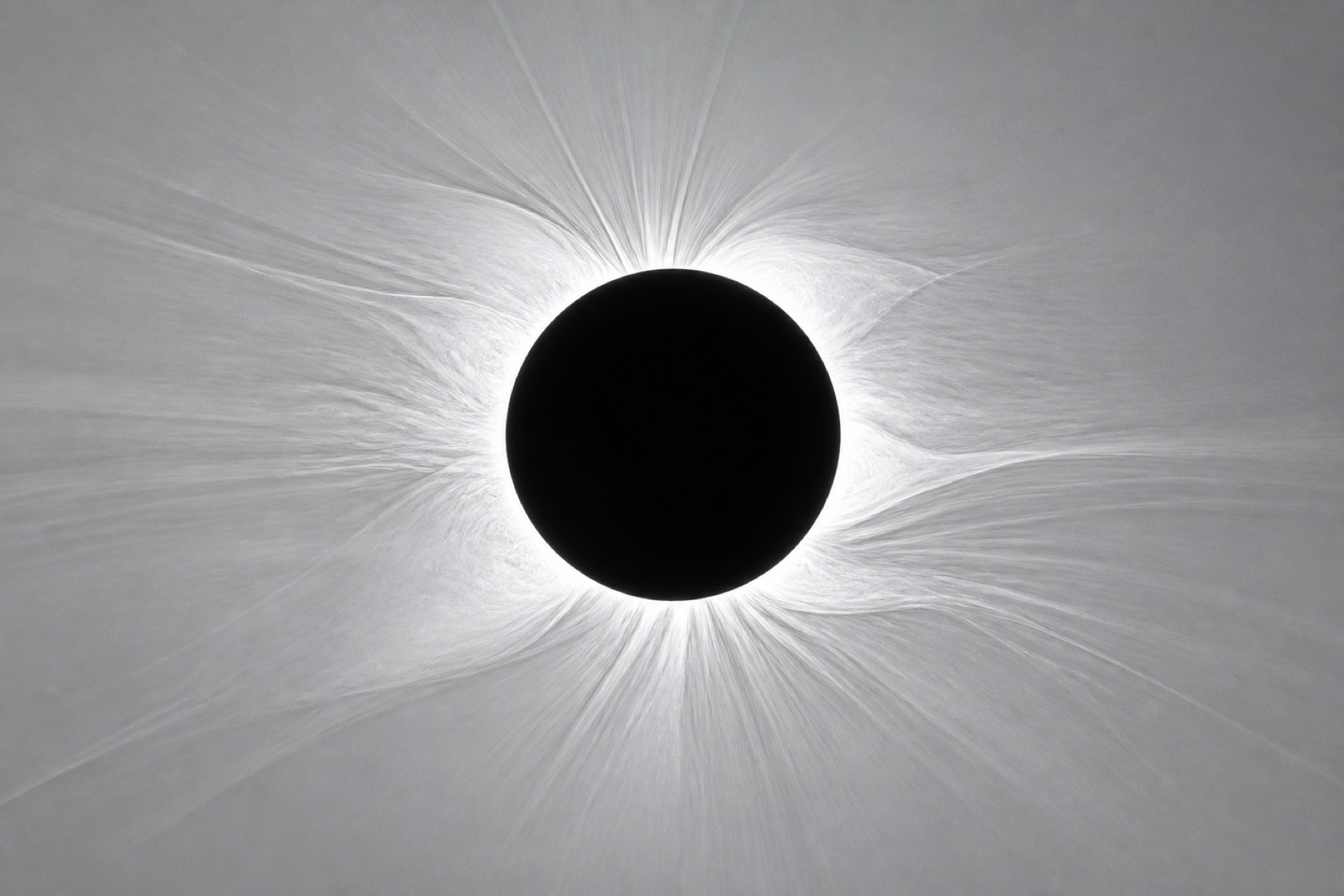
Side view of the eruption
Coronal mass ejections are tracked in profile, so speed and direction are measured instead of inferred. Arrival-time error drops from eighteen hours to under four.
Mission ISH-04 · Lagrange point L5
From a vantage point 60 degrees behind Earth in its orbit, SENTINELLE L5 watches the side of the Sun that nobody else can see — and tells Europe what is coming before it arrives.
Orbit insertion countdown
The cruise phase ends when the observatory settles into its halo orbit around L5 and opens the coronagraph door.
Space weather index
Current geomagnetic condition — Active
Why L5
Every operational solar monitor sits on the Sun–Earth line. From there, an eruption heading our way is a fuzzy halo. From L5, the same eruption is seen from the side — measurable, and five days early.
Coronal mass ejections are tracked in profile, so speed and direction are measured instead of inferred. Arrival-time error drops from eighteen hours to under four.
L5 sees solar longitudes that will rotate towards Earth in the coming week. Active regions are catalogued before they ever face us.
Grid operators need eight hours to reconfigure a network. Airlines need twelve to reroute polar traffic. Five days changes a warning into a plan.
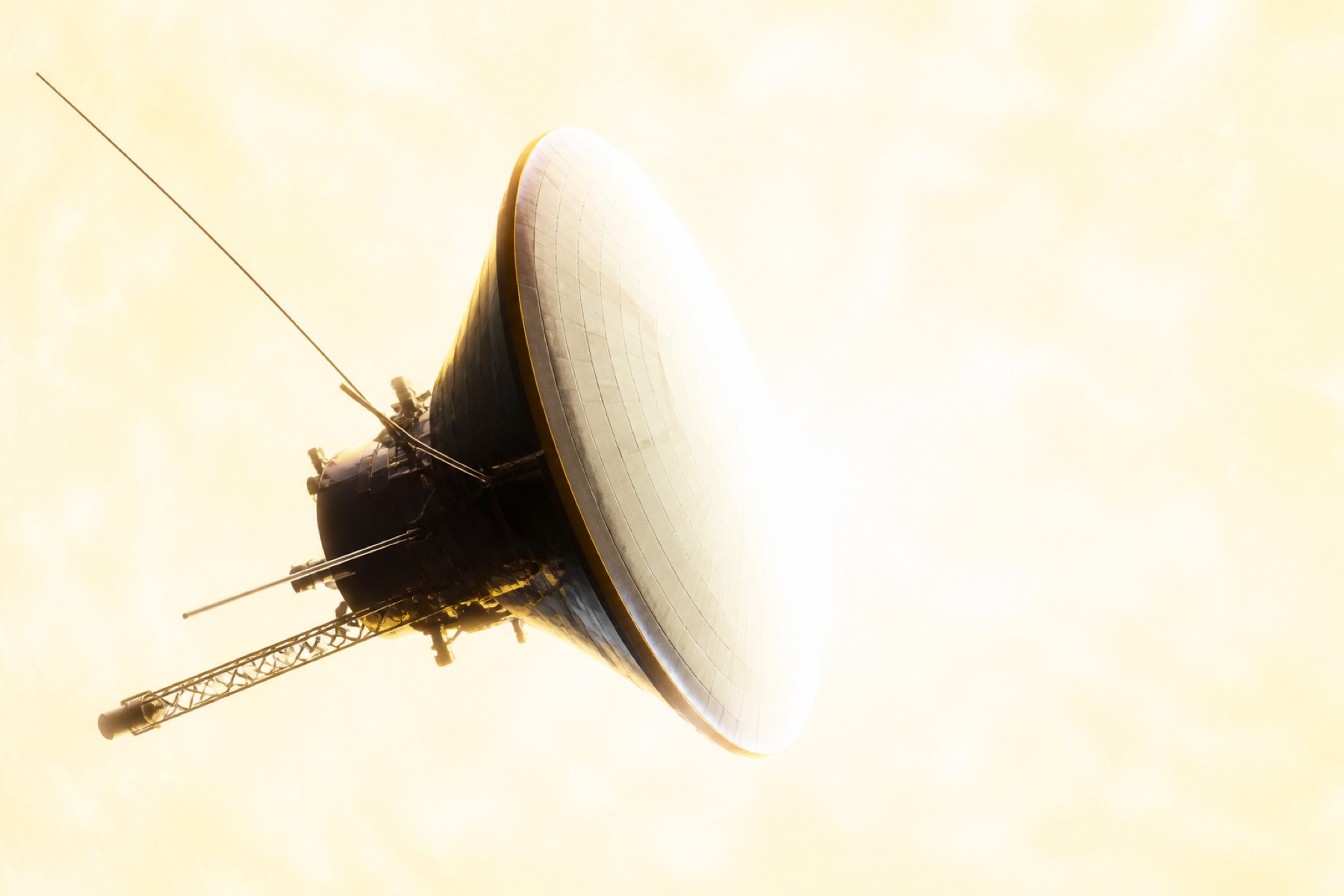
The observatory
A 1 240 kg three-axis stabilised platform carrying a coronagraph, a magnetograph, a spectrometer and an in-situ particle suite behind a ceramic shield that never stops facing the light.
Bulletin 244
Published every morning at 06:00 UTC and distributed to grid operators, airlines, satellite fleets and national weather services in eleven countries.
Live from the spacecraft
Simulated downlink for public display. Operational data is served to member states through the ISH secure channel.
X-ray flux, last 2 hours
Mission log
Ground segment
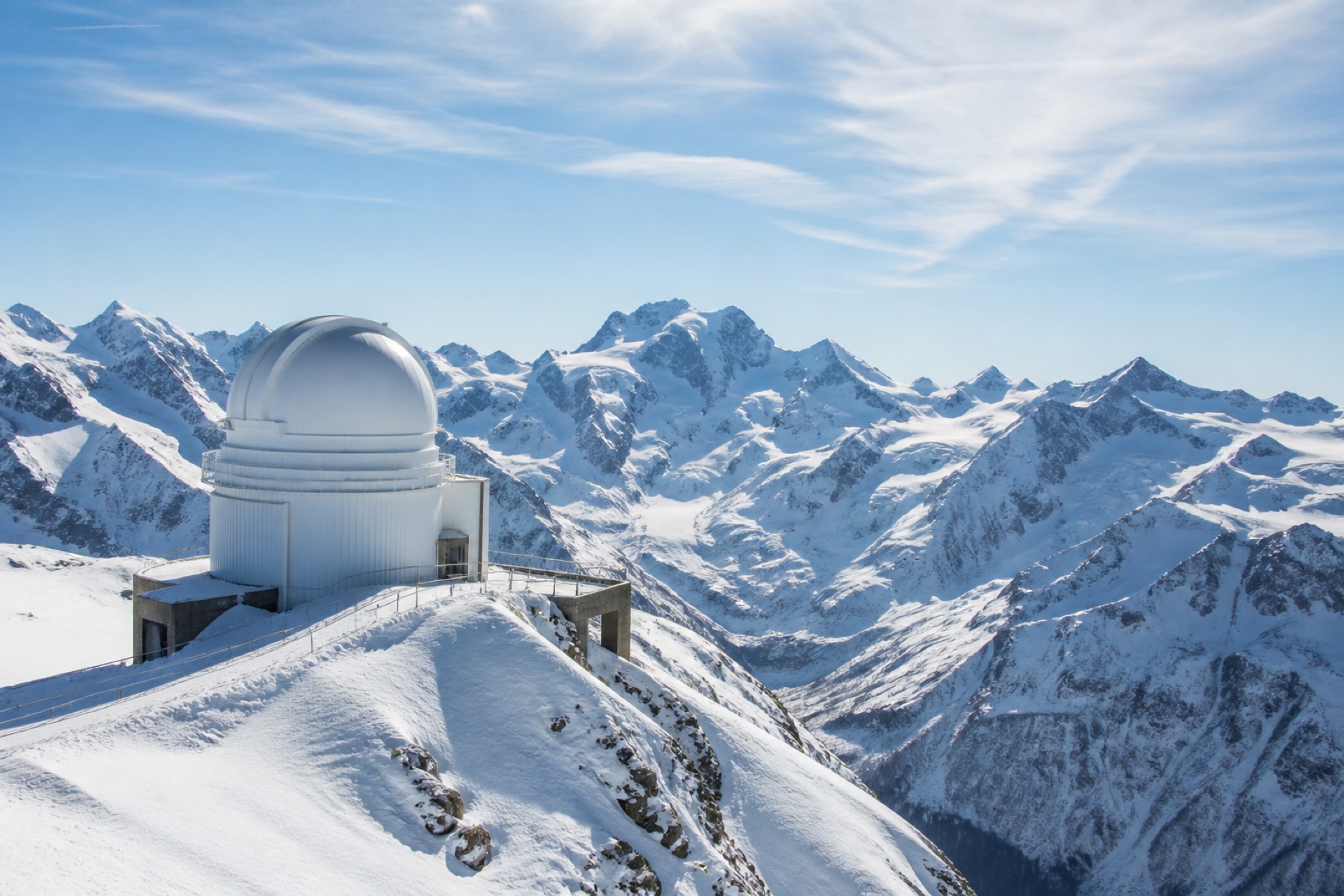
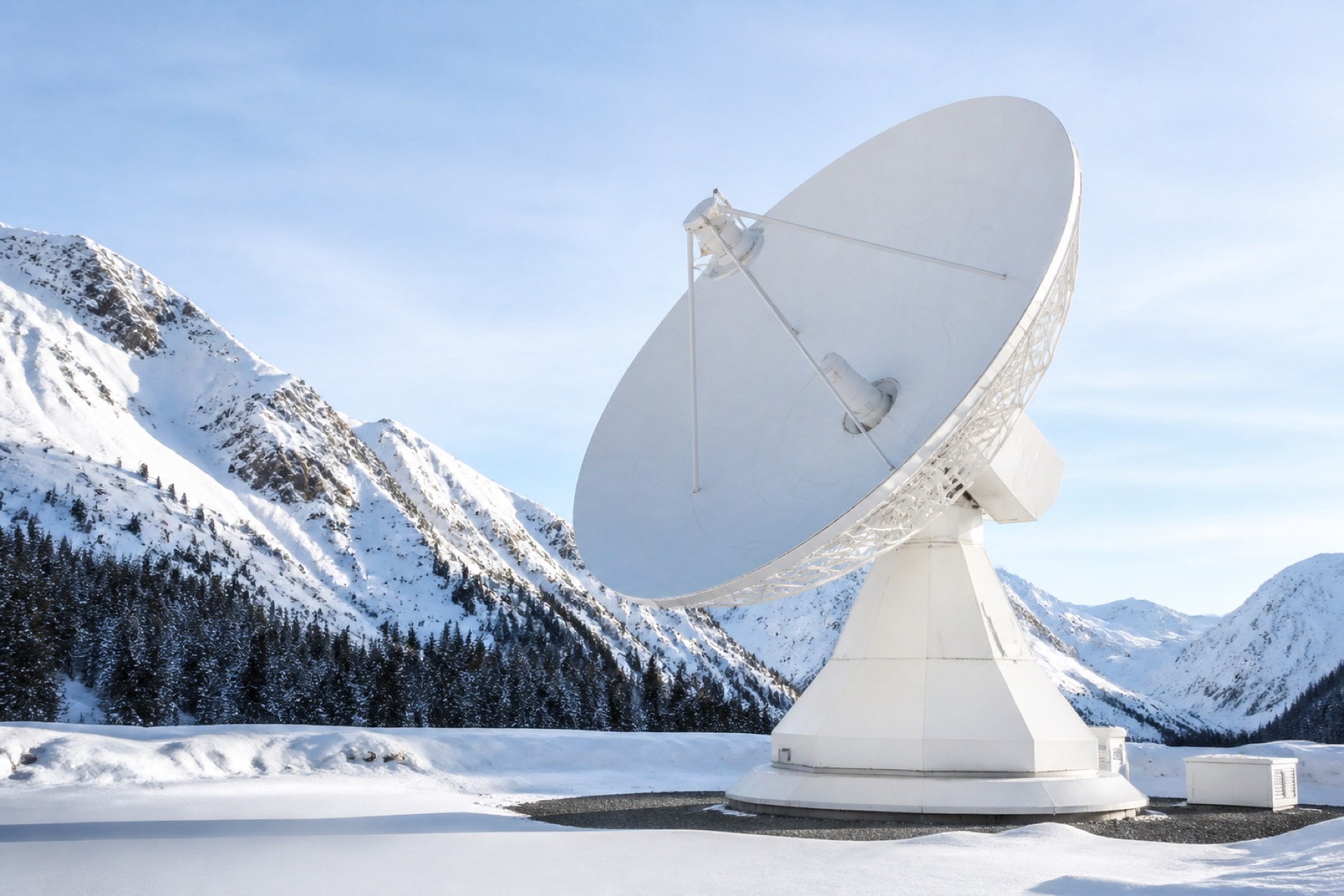
Operations run from the institute above Davos, with tracking passes shared between a 15-metre dish in the Grisons and partner stations in Lapland and the Canary Islands.
People
Ninety-four people in Davos and Bern, plus instrument teams in six partner institutes across Europe.

Coronal physicist, twenty-two years at the institute, led the L5 proposal from a two-page note to a funded mission.

Responsible for the coronagraph optical chain and for the calibration campaign carried out at Davos in 2026.

Writes the morning bulletin and keeps the phone that grid operators call when the index climbs past G3.
Latest
Mission updates, science results and forecast notes, published without an embargo.
First light from the white-light channel arrived eleven minutes after the command, showing streamers already resolved at 1.8 solar radii.
A 3.4 m/s burn refined the approach to the halo orbit and used sixty per cent less propellant than the allocation.
National grid and aviation authorities will receive the five-day bulletin directly from Davos from the first day of science operations.
Stay with the mission
Choose which categories you allow. Your choice is stored locally for twelve months and can be changed at any time from the footer.
Session integrity, security and your cookie choice itself. These cannot be switched off.
Anonymous, aggregated statistics on which pages are read. No profiling, no advertising, no transfer outside Switzerland.
Allows video and interactive orbit viewers hosted by third parties to load on gallery and forecast pages.